

The National Voting Rights Museum in Selma, Alabama, documents the voting-rights struggle, with particular attention to Bloody Sunday, the Selma to Montgomery March, and the Civil Rights Movement in the South. Set at the foot of the Edmund Pettus Bridge, it makes a focused stop for learning about Selma voting rights history and the people behind it.
- Location: 6 US Highway 80 East, Selma, AL 36701.
- Published hours: Open Monday to Friday; closed Saturday and Sunday
- Admission: charged; the Alabama Tourism Department listing does not give a price.
What does the National Voting Rights Museum cover?
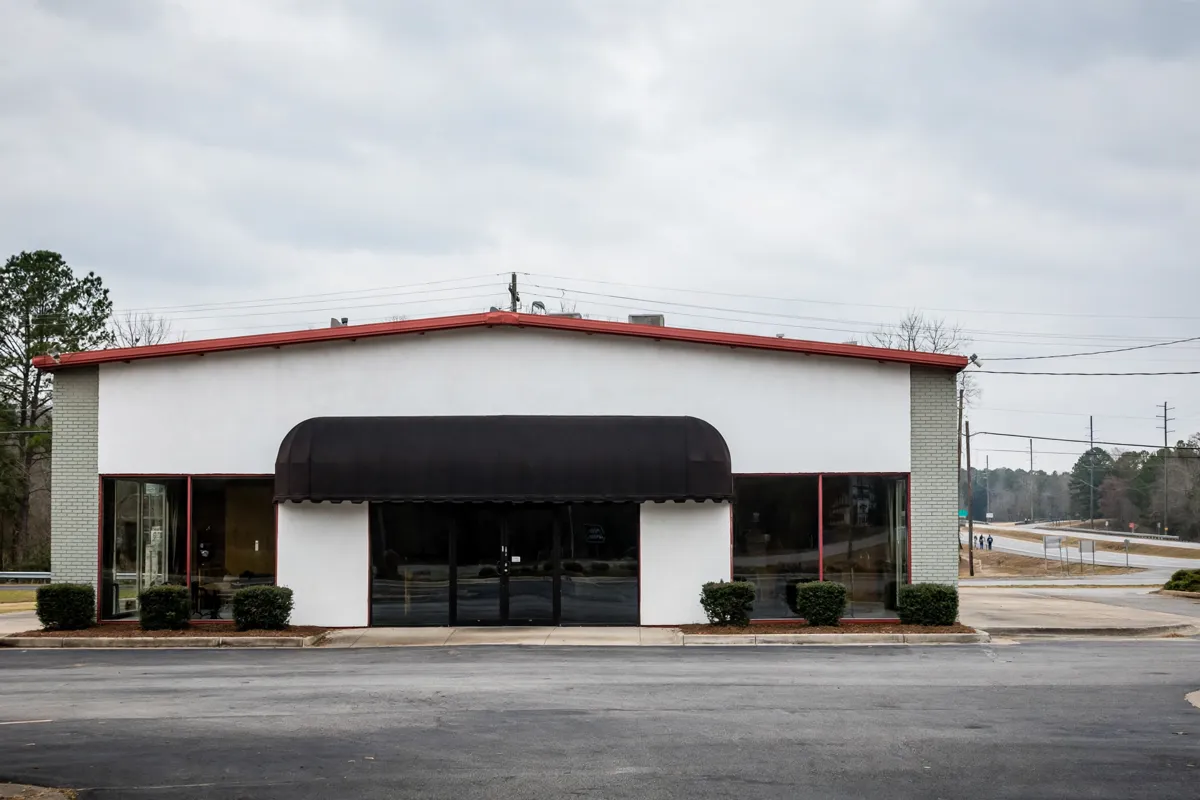
The National Voting Rights Museum and Institute II presents materials and artifacts from the voting-rights struggle in America, especially events and experiences tied to Bloody Sunday, the Selma to Montgomery March, and the Civil Rights Movement in the South. Its focus connects the wider movement to Selma’s place in it.
The museum was founded in 1991 by veterans of the voting-rights movement and opened in 1993. Galleries described by the Encyclopedia of Alabama include a Footprints to Freedom room, featuring molded cast footprints of marchers, a Selma (Marie Foster) room, and a Women’s Suffrage Room.
That range gives the visit a clear historical thread: the movement’s struggle, the marchers who took part, and the longer campaign for voting rights. The museum also participates annually in the Selma Bridge Crossing Jubilee in March, which commemorates the Selma to Montgomery March.
Where is the museum in Selma?
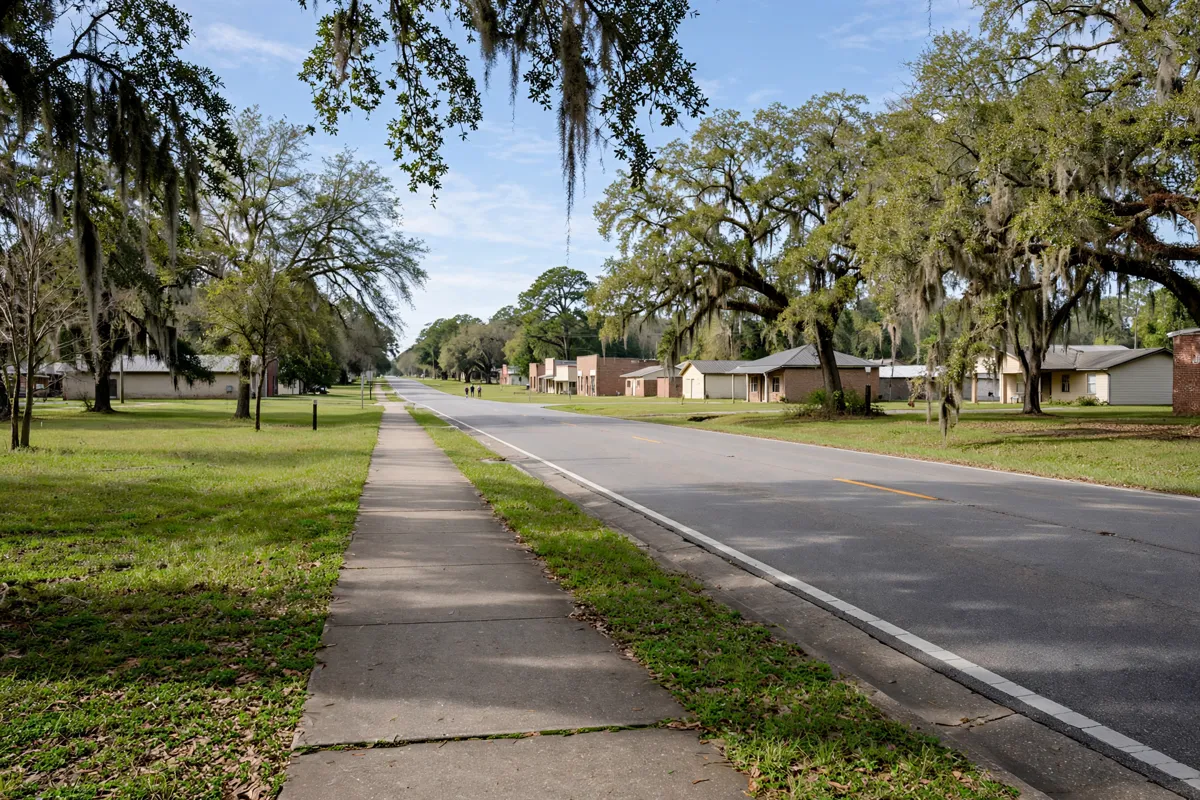
The museum is at 6 US Highway 80 East, at the foot of the Edmund Pettus Bridge, the site of Bloody Sunday. From Luxury Inn & Suites, it is about a four-minute drive or a 40-minute walk; the property offers guest rooms for a Selma history visit.
The bridge is a natural companion to the museum’s story. The Alabama Tourism Department says visitors can walk across the Edmund Pettus Bridge from the Selma Interpretive Center to the museum. The Selma Interpretive Center is separate from the museum, so check its operator’s official information if you plan to include it.
For background on the bridge and its setting, read this visitor guide to the Edmund Pettus Bridge.
What are the museum’s hours, admission, and visitor-access details?
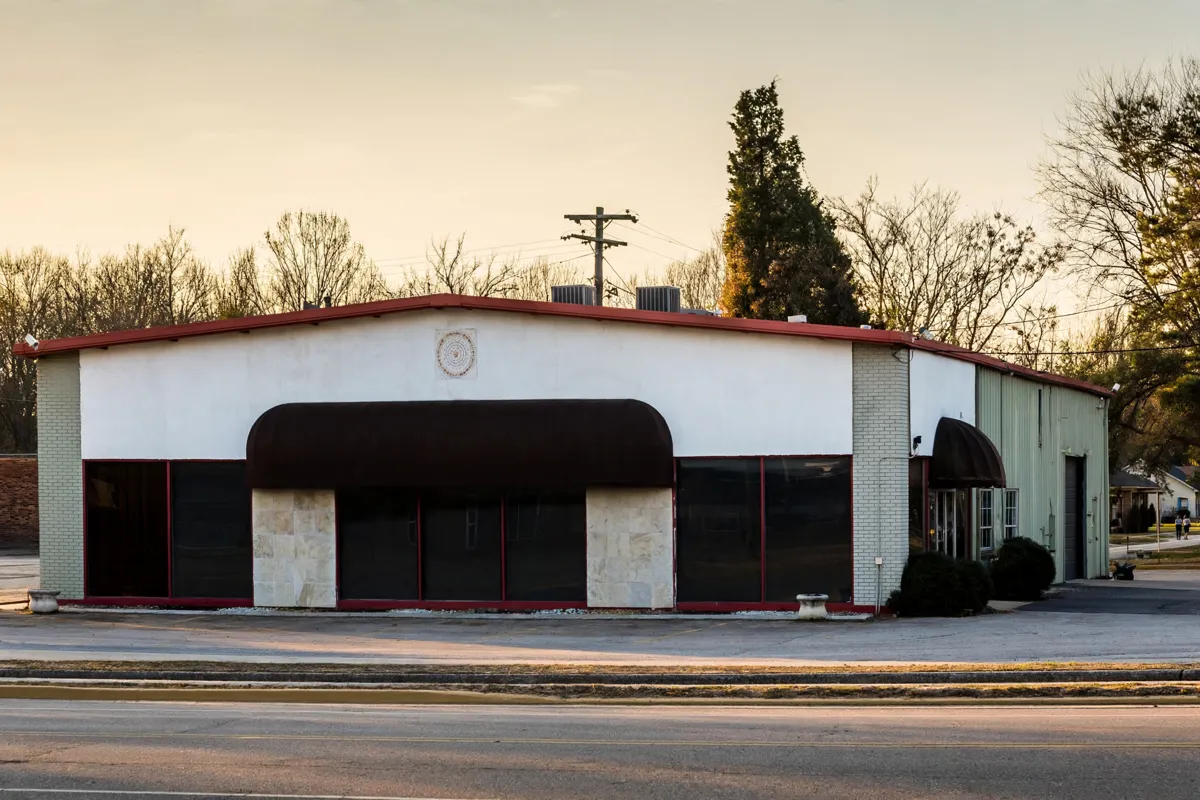
Admission is charged, but the Alabama Tourism Department does not publish a price on its museum listing.
Opening hours
- Monday and Friday: 9:30 AM–4:30 PM
- Tuesday to Thursday: 10 AM–4 PM
- Saturday and Sunday: closed
Last checked November 2026. Hours can change on holidays and for special events.
Dallas County’s venue listing includes parking, disabled amenities and access, meeting rooms, heating, and air conditioning among the museum’s features. It also describes the museum as suitable for tours and field trips. For current hours, admission arrangements, and appointment details, check the official site before you go.
Dallas County gives the phone number as (334) 526-4340, while the museum’s Google Arts & Culture profile gives (334) 418-0800. If you need to call ahead, confirm which number is current before relying on it.
What can you pair with a museum visit?
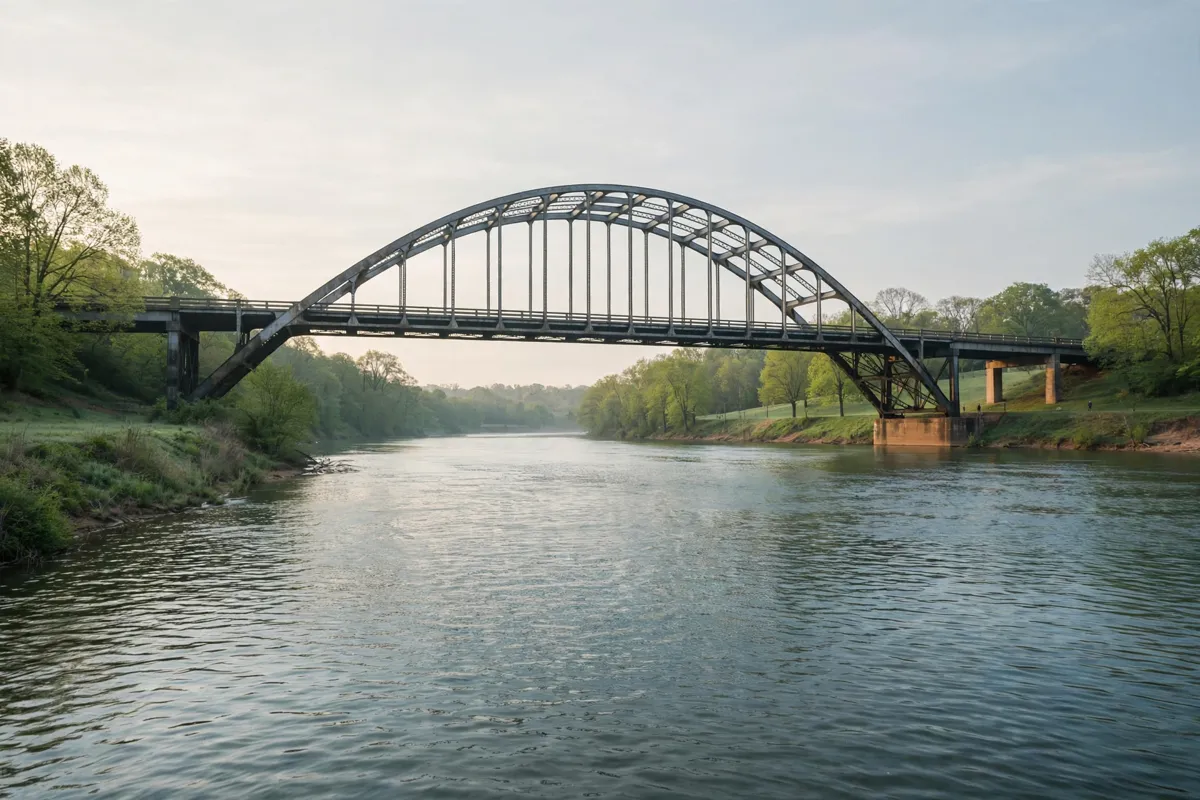
The Edmund Pettus Bridge is the most direct nearby landmark to combine with the museum: the bridge and its role in Bloody Sunday are central to the story presented inside.
You can walk across the bridge from the Selma Interpretive Center to the museum, according to the Alabama Tourism Department. For a broader route through the area’s civil-rights sites, a Selma civil-rights landmark day trip puts the museum in a wider historical context.
The Joseph T. Smitherman Museum is another Selma history landmark. Its inclusion can help you shape a day around local history, though the museum listings give no recommended visit duration for the National Voting Rights Museum.
If you are choosing among local museums, the guide to Selma history museums covers that broader subject.
How should you plan time for your visit?
Start by checking which day you can visit: the regular published schedule has set hours Monday through Thursday, while the other days are by appointment only. Then allow time to see the museum’s galleries and, if it suits your plans, walk across the Edmund Pettus Bridge.
No recommended visit duration is published, so the amount of time to set aside depends on how much of the exhibits and nearby landmark you want to include.
Listings do not give detailed parking directions or specific accessibility accommodations beyond a general mention of disabled amenities and access. If you need a particular arrangement, ask the museum directly before setting out. For a visit centered on the museum and bridge, treating them as two connected stops keeps the focus on the events and people the museum interprets.
FAQs
Is the National Voting Rights Museum the same as the Selma Interpretive Center?
No. The museum and the Selma Interpretive Center are separate sites. The bridge walk between the center and the museum is described by the Alabama Tourism Department.
Do you need an appointment to visit?
Published hours are listed Monday through Thursday, with Friday through Sunday visits by appointment only. Confirm arrangements before visiting on those days.
Is there an admission fee?
Admission is charged, but the Alabama Tourism Department’s museum listing does not publish a price.
Does the museum cover the Selma to Montgomery March?
Yes. The exhibits include materials and artifacts connected with the march, Bloody Sunday, and the Civil Rights Movement in the South.