

For a focused day of Edmund Pettus Bridge history, connect Brown Chapel AME Church, the bridge and the National Voting Rights Museum in downtown Selma. Brown Chapel is about a 3-minute drive from this Selma motel, and its role in the 1965 marches gives the outing a clear starting point.
- Start: Brown Chapel AME Church, at 410 Martin Luther King Street.
- Continue: The Edmund Pettus Bridge spans the Alabama River in downtown Selma.
- Add: The National Voting Rights Museum and Institute is near the bridge.
- Plan ahead: Brown Chapel tours require scheduling; check access and admission details for each stop.
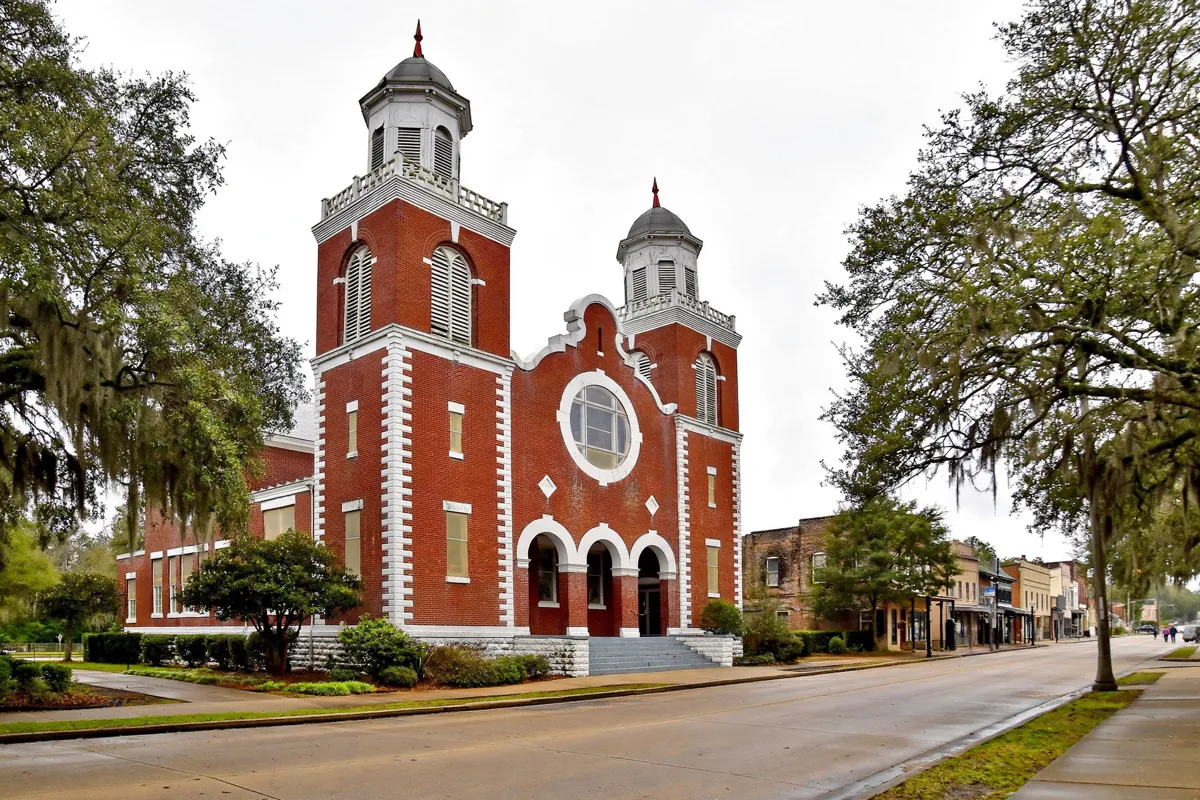
Start with Brown Chapel AME Church
Brown Chapel AME Church is a fitting first stop because it served as a meeting place for civil rights leaders and activists during the 1965 Selma-to-Montgomery marches. The congregation began as a prayer movement in 1866, a frame church was built on the present site in 1869, and the current building dates to 1908.
At 410 Martin Luther King Street, Brown Chapel connects the local story to the march route. On March 7, 1965, the first group of approximately 500 civil rights advocates left the church and attempted to cross the Edmund Pettus Bridge. Take time to consider that sequence before continuing downtown.
Brown Chapel says visitors can arrange live, in-person personal or group tours, but it does not publish set visitor hours. The church also offers a virtual audio tour for $15.00. For a broader route through the city’s history, you can use a practical plan for one day in Selma alongside this focused outing.
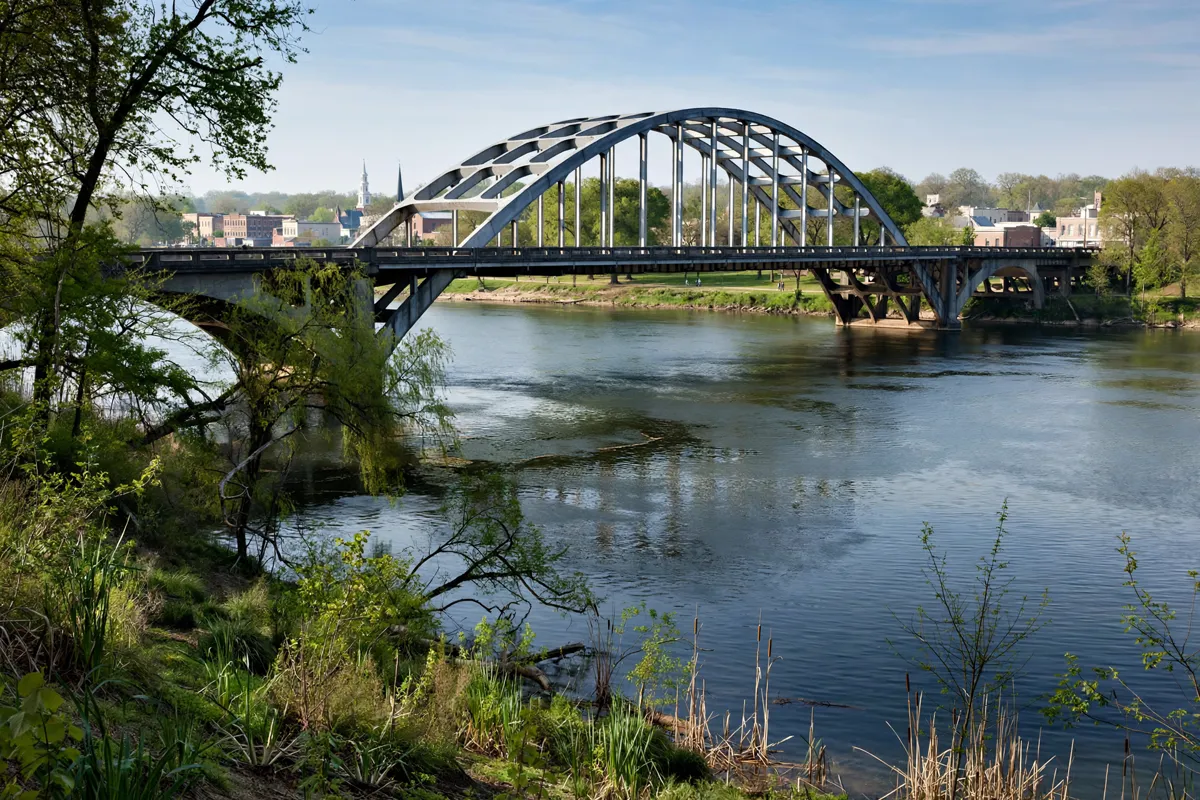
Continue to the Edmund Pettus Bridge
The Edmund Pettus Bridge spans the Alabama River in downtown Selma and is part of the route associated with the 1965 marches. Visitors can walk across it, bringing the next part of the story directly into view.
The bridge was erected in 1939 and named for Edmund Winston Pettus, a former Confederate brigadier general and U.S. senator from Alabama. Its place in civil rights history is inseparable from the events of March 7, 1965, when marchers leaving Brown Chapel attempted to cross it.
The bridge is also associated with the Selma to Montgomery National Historic Trail. The trail follows 54 miles of U.S. Highway 80 and local streets, beginning at Brown Chapel and ending at the Alabama State Capitol in Montgomery. For the bridge’s history and visitor context, read answers to common questions about the Edmund Pettus Bridge.
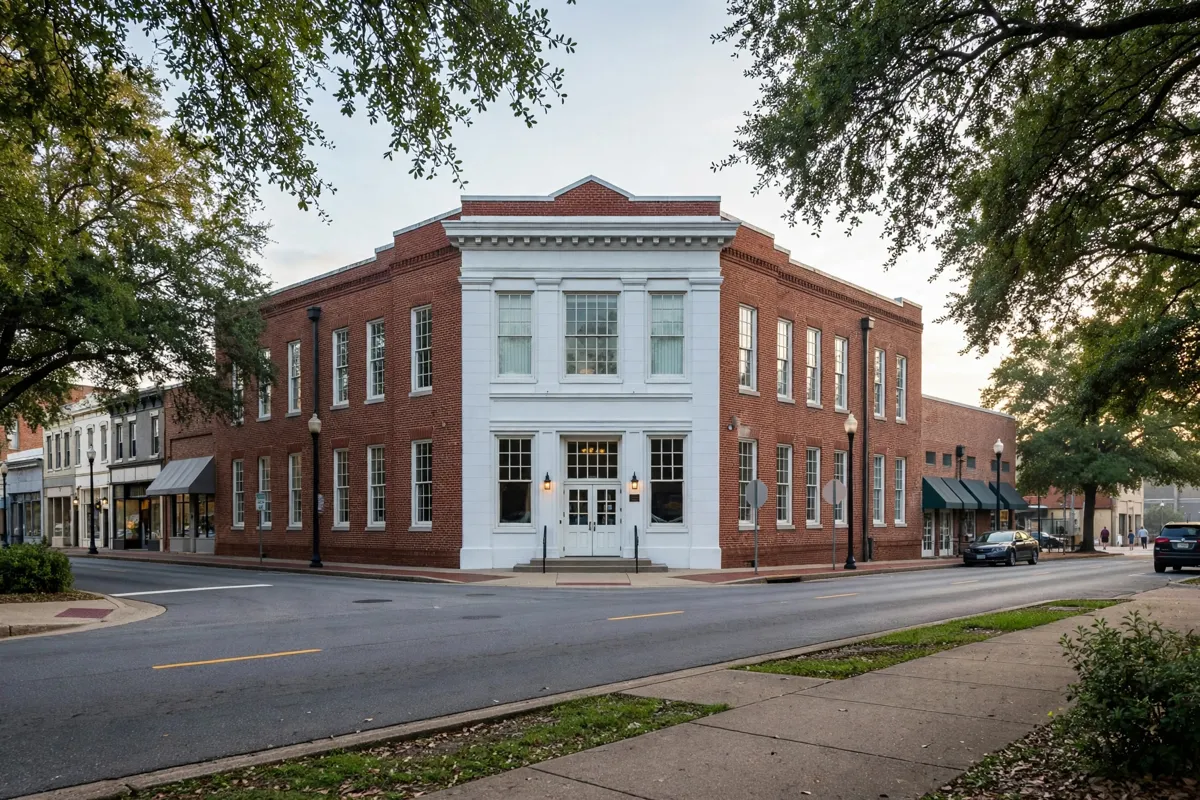
Add the National Voting Rights Museum
The National Voting Rights Museum and Institute is near the Edmund Pettus Bridge, making it a natural next stop on a downtown history outing. The City of Selma says the museum presents exhibits, photographs and personal stories about the struggle for voting rights.
Alabama Travel lists admission as charged, but does not give a fee or current opening hours. Check the museum’s access details before planning how long to spend there; what to know about visiting the National Voting Rights Museum can help you plan this stop.
Allow time for reflection and breaks
Give yourself room to pause between the sites rather than treating the outing as a checklist. Brown Chapel, the bridge and the museum each connect to the history of voting rights and the 1965 marches, but in different ways: a meeting place, a crossing and a place for stories and records.
If you want to extend the route beyond downtown, the Selma to Montgomery National Historic Trail map describes a path across Dallas, Lowndes and Montgomery counties, following U.S. Highway 80 and local streets.
The full trail runs from Brown Chapel to the Alabama State Capitol in Montgomery, so a downtown visit can also serve as a starting point for understanding the larger route.
Check current access and opening details
Confirm tour arrangements, admission and opening details before you set out, since the sites do not share a single schedule.
Brown Chapel asks visitors to schedule personal or group tours, while the National Voting Rights Museum charges admission and does not provide a current fee or hours in the cited listing. The City of Selma provides map links for Brown Chapel, the bridge and the museum.
For current details, check the official site before you go; for Brown Chapel tour arrangements, contact the church. The City of Selma’s attractions information can help you locate the three downtown stops.
FAQs
What is the connection between Brown Chapel and the Edmund Pettus Bridge?
Brown Chapel was a meeting place for civil rights leaders and activists during the 1965 marches. On March 7, 1965, approximately 500 advocates left the church and attempted to cross the bridge.
Can you walk across the Edmund Pettus Bridge?
Yes. The City of Selma says visitors can walk across the bridge, which spans the Alabama River in downtown Selma.
Does Brown Chapel have set visitor hours?
Brown Chapel does not list set visitor hours. It says in-person tours are available and asks visitors to schedule personal or group tours.
Is the National Voting Rights Museum near the bridge?
Yes. The City of Selma describes the National Voting Rights Museum and Institute as near the Edmund Pettus Bridge. It presents exhibits, photographs and personal stories about the struggle for voting rights.